Cost Guides
What HVAC Repairs & Replacements Really Cost in Minnesota
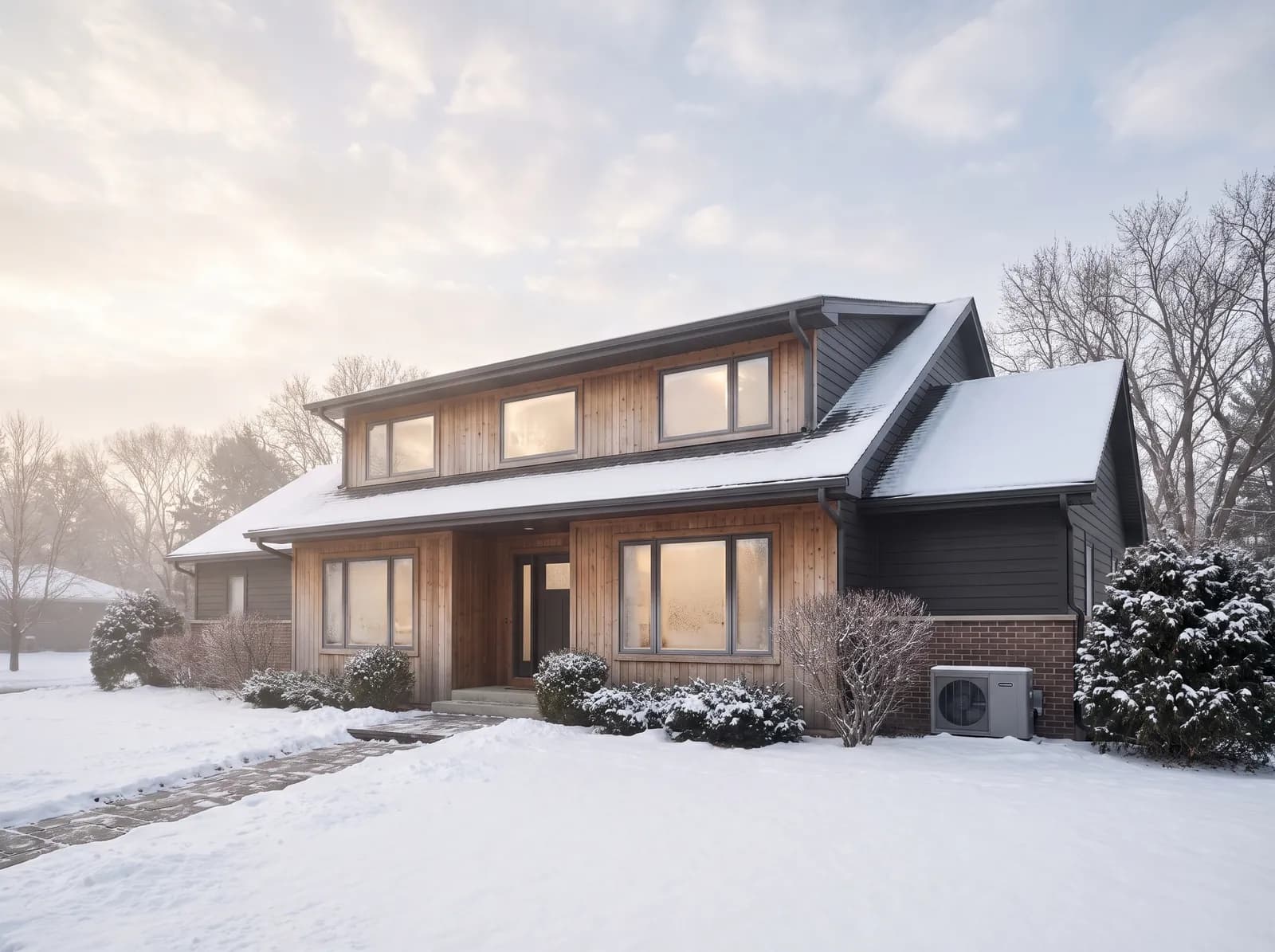
The most common question homeowners ask — and the one most HVAC websites dodge — is "what will this cost me?" Exact prices depend on your home and equipment, but the ranges below reflect what Twin Cities homeowners typically pay, so you can spot a fair quote and a suspicious one.
One important note: these are planning ranges, not promises. The only real number is a written quote after a technician has seen your system — which is exactly why comparing two or three quotes matters.
Free interactive tool
HVAC Cost Estimator
See a real Twin Cities price range for a new furnace, AC, or heat pump before you talk to anyone.
Typical furnace repair costs
Most furnace repairs fall between $150 and $600. The part matters less than you'd think — labor, diagnosis, and availability drive much of the price.
| Repair | Typical range |
|---|---|
| Flame sensor cleaning/replacement | $80 – $250 |
| Hot surface ignitor | $150 – $350 |
| Blower motor | $400 – $1,500 |
| Control board | $400 – $1,200 |
| Draft inducer motor | $300 – $900 |
| Heat exchanger (often replace instead) | $1,500+ |
Typical AC repair costs
| Repair | Typical range |
|---|---|
| Capacitor | $150 – $400 |
| Contactor | $150 – $400 |
| Refrigerant leak find & recharge | $400 – $1,500 |
| Condenser fan motor | $300 – $700 |
| Evaporator coil | $1,000 – $2,500 |
| Compressor (often replace instead) | $1,500 – $3,000 |
Full replacement costs
In the Twin Cities, a new furnace typically runs $4,000–$9,000 installed, central AC $4,500–$9,500, and a cold-climate heat pump $8,000–$18,000 before rebates. You can narrow these down for your own home with our HVAC cost estimator. High-efficiency equipment sits at the top of each range but earns Minnesota utility rebates and lower bills every month.
Installation quality moves these numbers more than brand does. A properly sized, properly installed mid-tier system outperforms a premium unit installed badly.
What makes your price higher or lower
- System size (a 3,000 sq ft two-story needs more capacity than a rambler)
- Efficiency rating (95%+ AFUE furnaces and 16+ SEER2 ACs cost more upfront)
- Ductwork condition — modifications add cost
- Accessibility: tight utility rooms and finished basements slow installs
- Season — emergency winter replacements price higher than shoulder-season ones
- Rebates: Xcel and CenterPoint utility rebates can offset hundreds to thousands (the federal 25C credit expired at the end of 2025)
How to compare quotes fairly
Never compare bottom-line prices alone. Make sure each quote lists equipment model numbers, efficiency ratings, labor warranty, whether permits are included, and what happens with your old equipment. A quote that's $1,500 cheaper but skips the permit and offers a 90-day labor warranty isn't actually cheaper.
Turn this guide into your own numbers
Free interactive tools that personalize everything above in seconds.
Put this into action
Use these free tools and guides to plan your project — then gather your own written quotes from local contractors and compare them with confidence.
Free download
Get the free Minnesota HVAC Buyer's Kit
The quote-comparison checklist, the exact questions to ask a contractor, fair Twin Cities price ranges, and the Minnesota rebate cheat sheet — emailed to you, free.
FAQ
Related questions
Why do HVAC quotes vary so much between companies?
Overhead, warranty length, equipment tier, and how carefully the job was scoped all differ. A big spread usually means the quotes aren't for the same scope — compare line items, not just totals.
Is it cheaper to replace furnace and AC together?
Usually, yes — shared labor and matched-system efficiency mean replacing both at once typically costs 10–20% less than doing them separately within a few years of each other.
Do contractors charge for replacement quotes?
Reputable contractors quote replacements for free. Diagnostic visits for repairs usually carry a fee that's often credited toward the work.